

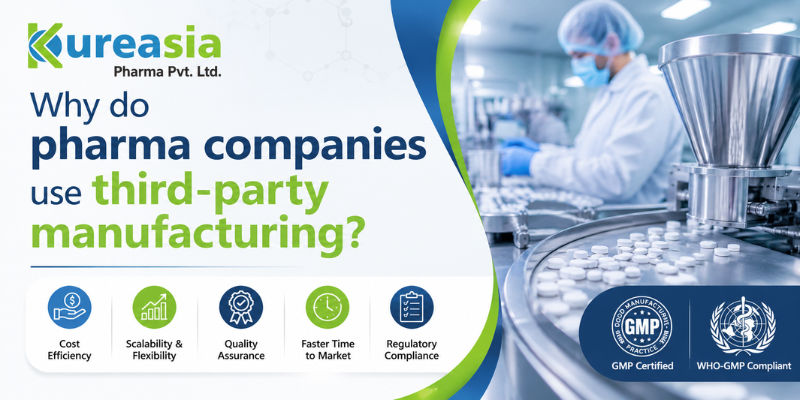
The pharmaceutical industry operates in a highly regulated and competitive environment where efficiency, quality, and timely product availability are essential. To meet these demands, many pharmaceutical companies choose third-party manufacturing as part of their business strategy. This approach allows companies to outsource the production of medicines to specialized manufacturers while focusing on other important aspects of the business, such as research, marketing, distribution, and customer support.
Over the years, third-party manufacturing has become a widely adopted model because it offers flexibility, cost advantages, and access to professional manufacturing capabilities. From startups to established pharmaceutical companies, organizations of all sizes benefit from this arrangement.
Reduces Capital Investment
Building a pharmaceutical manufacturing facility requires a substantial investment. Companies need production units, specialized machinery, quality control laboratories, storage facilities, and trained personnel. In addition, manufacturers must comply with various regulatory requirements before beginning commercial production.
Third-party manufacturing eliminates the need for these large upfront investments. Instead of establishing their own facilities, companies can work with experienced manufacturers that already have the required infrastructure and approvals in place. This allows businesses to enter the market more quickly while managing costs effectively.
Provides Access to Specialized Expertise
Pharmaceutical manufacturing is a complex process that requires technical knowledge, quality management systems, and strict adherence to industry regulations. Established manufacturers often have years of experience in producing different types of formulations, including tablets, capsules, syrups, injections, and topical products.
By partnering with specialized manufacturers, pharmaceutical companies gain access to technical expertise and proven production processes. This can help ensure product consistency, efficiency, and compliance with industry standards.
Helps Companies Focus on Core Business Functions
Running a pharmaceutical business involves much more than manufacturing medicines. Companies must manage product development, regulatory documentation, marketing campaigns, sales operations, distribution networks, and customer relationships.
When manufacturing responsibilities are outsourced, businesses can dedicate more attention to these core functions. This often improves operational efficiency and allows organizations to focus on activities that directly contribute to growth and market expansion.
Supports Faster Product Launches
Speed is an important factor in the pharmaceutical industry. Whether introducing a new medicine or expanding an existing product range, companies often need to bring products to market quickly.
Third-party manufacturers typically have established production systems, trained staff, and operational facilities ready for manufacturing. This can significantly reduce production timelines and help pharmaceutical companies respond more effectively to changing market demands.
Offers Production Flexibility
Market demand for pharmaceutical products can vary depending on healthcare trends, seasonal illnesses, and regional requirements. Managing these fluctuations can be challenging for companies with limited manufacturing capacity.
Third-party manufacturing provides flexibility by allowing companies to adjust production volumes according to market demand. This helps maintain adequate inventory levels while avoiding unnecessary production expenses.
Ensures Compliance and Quality Standards
Quality and compliance are fundamental requirements in pharmaceutical manufacturing. Products must meet strict standards for safety, effectiveness, and consistency before reaching healthcare professionals and patients.
Reputable third-party manufacturers operate according to Good Manufacturing Practices (GMP) and implement rigorous quality control procedures throughout the production process. Regular testing, documentation, and inspections help ensure that products meet regulatory requirements and maintain high-quality standards
Expands Product Portfolio Opportunities
Many pharmaceutical companies aim to diversify their product offerings to serve different therapeutic segments and customer needs. However, manufacturing multiple product categories in-house may require additional equipment, expertise, and investment.
Third-party manufacturing allows companies to expand their portfolios more efficiently. Businesses can introduce new formulations and therapeutic products without investing heavily in additional production facilities, making diversification more practical and cost-effective.
Improves Business Scalability
As pharmaceutical companies grow, production requirements often increase. Scaling manufacturing operations internally can be expensive and time-consuming.
Third-party manufacturing provides a practical solution by offering access to larger production capacities when needed. This enables businesses to grow without the operational challenges associated with expanding manufacturing infrastructure.
FAQs
What is third-party manufacturing in pharma?
Third-party manufacturing is a business arrangement in which a pharmaceutical company outsources the production of its products to an external manufacturer while selling them under its own brand name.
Why is third-party manufacturing popular in the pharmaceutical industry?
It helps companies reduce investment costs, access manufacturing expertise, improve operational efficiency, and focus on marketing and business development.
Is third-party manufacturing suitable for small pharmaceutical companies?
Yes. It allows smaller companies to launch products without investing heavily in manufacturing facilities, making business expansion more affordable.
How does third-party manufacturing help business growth?
It supports faster product launches, production flexibility, portfolio expansion, and scalability, allowing companies to respond effectively to market opportunities.
Kureasia Pharma is committed to delivering quality pharmaceutical solutions while focusing on innovation, reliability, and customer satisfaction. With a growing presence in domestic and international markets, Kureasia Pharma continues to support healthcare needs through a wide range of pharmaceutical products and professional industry expertise.