

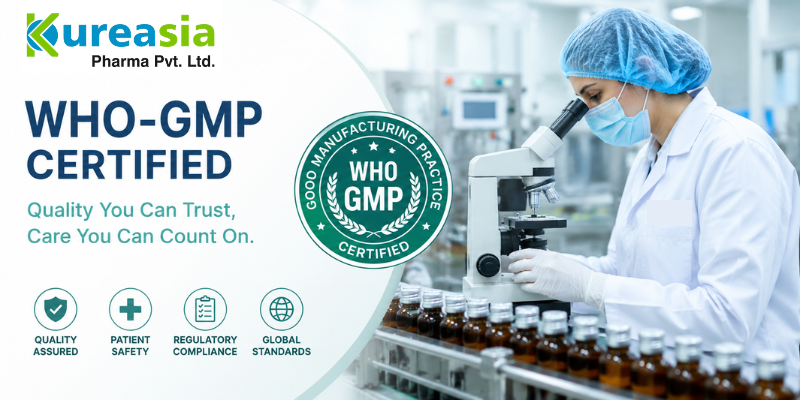
The pharmaceutical industry is responsible for manufacturing medicines that millions of people rely on every day. Since these products directly affect human health, maintaining strict quality standards is essential. WHO-GMP (World Health Organization – Good Manufacturing Practices) certification provides a globally recognized framework that helps pharmaceutical manufacturers produce safe, effective, and high-quality medicines consistently.
Beyond regulatory compliance, WHO-GMP certification demonstrates a company’s commitment to quality, operational excellence, and patient safety. Manufacturers that follow these internationally accepted guidelines strengthen their reputation, improve production efficiency, and expand opportunities in domestic and international markets.
What is WHO-GMP Certification?
WHO-GMP certification refers to compliance with the Good Manufacturing Practices established by the World Health Organization. These guidelines ensure pharmaceutical products are consistently manufactured and controlled according to quality standards appropriate for their intended use.
Rather than focusing only on the final product, WHO-GMP evaluates every stage of pharmaceutical manufacturing, including raw material sourcing, production, quality testing, packaging, storage, documentation, and distribution. This systematic approach minimizes manufacturing risks and ensures every batch meets predefined quality standards.
WHO-GMP vs GMP vs cGMP
| Feature | WHO-GMP | GMP | cGMP |
|---|---|---|---|
| Developed by | World Health Organization | National Regulatory Authorities | Modern Regulatory Authorities such as the US FDA |
| Primary Focus | International pharmaceutical manufacturing standards | General Good Manufacturing Practices | Current Good Manufacturing Practices with continuous improvements |
| Global Recognition | High | Country-specific | High |
| Export Acceptance | Excellent | Depends on regulations | Excellent |
Why WHO-GMP Certification Matters in Pharmaceuticals
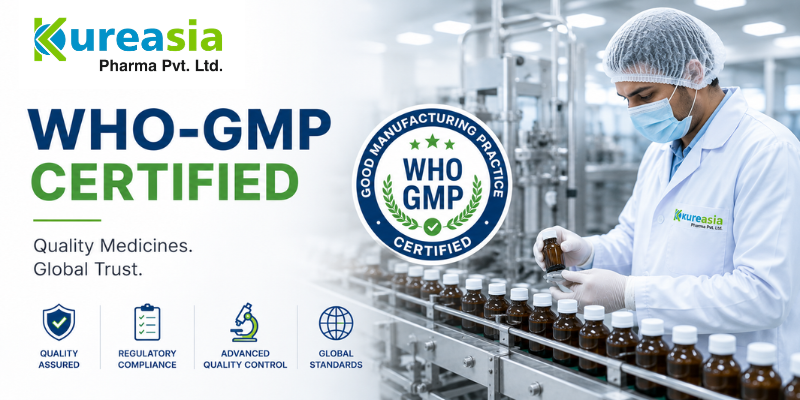
The pharmaceutical industry is built on trust. Patients, healthcare providers, and regulatory authorities expect every medicine to meet high standards of quality and safety. WHO-GMP certification provides a structured framework that helps pharmaceutical manufacturers maintain these standards while meeting national and international regulatory expectations.
1. Ensures Consistent Product Quality
Every batch of medicine should meet the same quality standards regardless of when or where it is produced. WHO-GMP requires validated manufacturing processes, standardized operating procedures, and rigorous quality checks to maintain product consistency.
This approach helps manufacturers achieve:
- Uniform product quality
- Accurate dosage strength
- Batch-to-batch consistency
- Improved product reliability
- Longer product stability
2. Protects Patient Safety
Patient safety remains the highest priority in pharmaceutical manufacturing. WHO-GMP guidelines reduce the risk of contamination, manufacturing defects, incorrect labeling, and product mix-ups through strict hygiene practices and quality control measures.
Important safety measures include:
- Controlled manufacturing environments
- Employee hygiene protocols
- Equipment cleaning and validation
- Environmental monitoring
- Comprehensive quality testing
These controls ensure that medicines reaching patients meet established safety and quality standards.
3. Supports Regulatory Compliance
Regulatory authorities expect pharmaceutical manufacturers to operate according to recognized Good Manufacturing Practices. WHO-GMP provides a globally accepted framework that helps organizations comply with regulatory requirements and remain prepared for inspections and audits.
Maintaining compliance also reduces operational risks and strengthens a company’s reputation within the pharmaceutical industry.
4. Improves International Market Access
Many countries and healthcare procurement agencies prefer medicines manufactured in WHO-GMP-compliant facilities. Certification demonstrates that a manufacturer follows internationally accepted quality standards, making it easier to enter new markets and establish long-term business relationships.
Companies with WHO-GMP compliance often benefit from:
- Greater export opportunities
- Increased buyer confidence
- Improved participation in international tenders
- Stronger global market presence
5. Strengthens Quality Management Systems
A comprehensive Quality Management System (QMS) forms the foundation of WHO-GMP compliance. Rather than relying solely on product testing, manufacturers implement documented procedures that monitor quality throughout the production process.
Essential quality management components include:
- Standard Operating Procedures (SOPs)
- Batch Manufacturing Records
- Equipment qualification
- Process validation
- Corrective and Preventive Actions (CAPA)
- Internal quality audits
- Change control procedures
These systems encourage continuous improvement and reduce the likelihood of manufacturing errors.
6. Reduces Manufacturing Risks
Manufacturing defects can result in product recalls, financial losses, and damage to a company’s reputation. WHO-GMP emphasizes preventive measures that identify and eliminate risks before products reach the market.
Key preventive practices include:
- Process validation
- Equipment calibration
- Routine maintenance
- Quality inspections
- Risk assessments
- Employee competency training
A proactive quality culture enables manufacturers to improve efficiency while reducing costly production issues.
Essential Requirements for WHO-GMP Compliance
To comply with WHO-GMP standards, pharmaceutical manufacturers should establish effective quality systems covering every stage of production.
Core requirements include:
- Qualified and trained personnel
- Hygienic production facilities
- Documented Quality Management System
- Equipment qualification and maintenance
- Raw material inspection
- Process validation
- Product quality testing
- Proper documentation and record keeping
- Complaint handling procedures
- Product recall systems
- Continuous improvement initiatives
Meeting these requirements helps manufacturers consistently produce safe and effective pharmaceutical products.
Best Practices for Maintaining WHO-GMP Standards
Achieving compliance is only the beginning. Organizations should continuously evaluate and improve their manufacturing processes to maintain high-quality standards.
Recommended best practices include:
- Conduct regular internal audits.
- Update Standard Operating Procedures when required.
- Train employees on current GMP requirements.
- Validate manufacturing processes periodically.
- Monitor equipment performance and calibration.
- Investigate deviations promptly.
- Implement corrective and preventive actions.
- Encourage a culture of continuous quality improvement.
Regular reviews help manufacturers remain compliant with evolving industry expectations and regulatory requirements.
Why WHO-GMP Certification is Essential for Pharmaceutical Excellence
WHO-GMP certification is more than a regulatory requirement—it is a commitment to manufacturing safe, effective, and high-quality medicines. By implementing internationally recognized Good Manufacturing Practices, pharmaceutical manufacturers improve quality management, strengthen regulatory compliance, reduce manufacturing risks, and enhance patient confidence.
As the pharmaceutical industry continues to evolve, WHO-GMP certification remains a critical benchmark for companies seeking sustainable growth, international market access, and long-term credibility. Investing in WHO-GMP compliance not only supports business success but also contributes to better healthcare outcomes by ensuring patients receive medicines they can trust.
Frequently Asked Questions
Why is WHO-GMP certification important?
WHO-GMP certification ensures pharmaceutical products are manufactured under strict quality, safety, and compliance standards, building trust among regulators, healthcare providers, and patients.
Is WHO-GMP certification required for pharmaceutical exports?
Many countries prefer or require medicines from WHO-GMP-certified manufacturers, making certification valuable for international pharmaceutical exports.
How does WHO-GMP certification improve medicine quality?
It promotes validated manufacturing processes, quality control, proper documentation, and hygiene practices to ensure safe and consistent medicines.
How can I verify if a pharmaceutical company is WHO-GMP certified?
You can request the manufacturer’s WHO-GMP certificate or verify its compliance through the relevant national drug regulatory authority before sourcing medicines.
Partner with a WHO-GMP Certified Pharmaceutical Manufacturer
Choose Kureasia Pharma for WHO-GMP-compliant pharmaceutical manufacturing. We deliver high-quality, safe, and reliable medicines that meet international quality standards. Contact us today to discuss your manufacturing and export requirements.